Our History
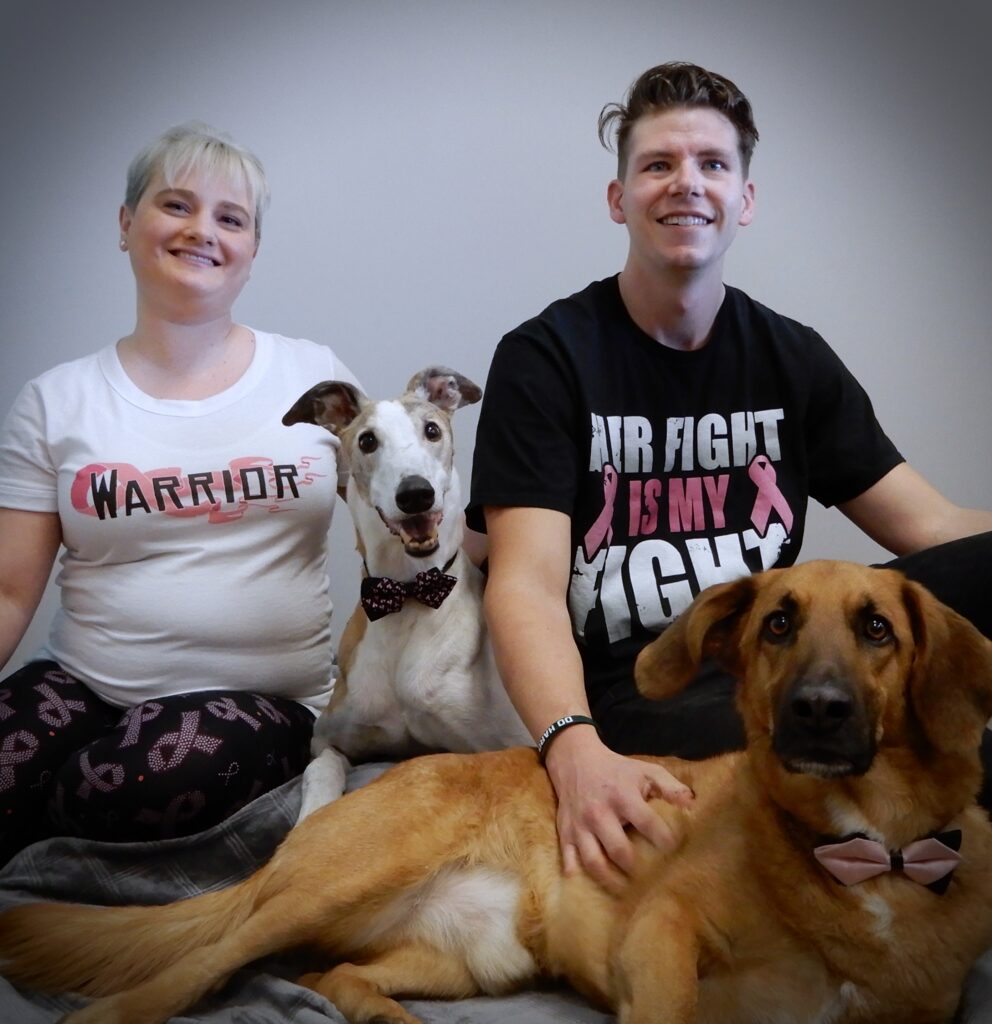
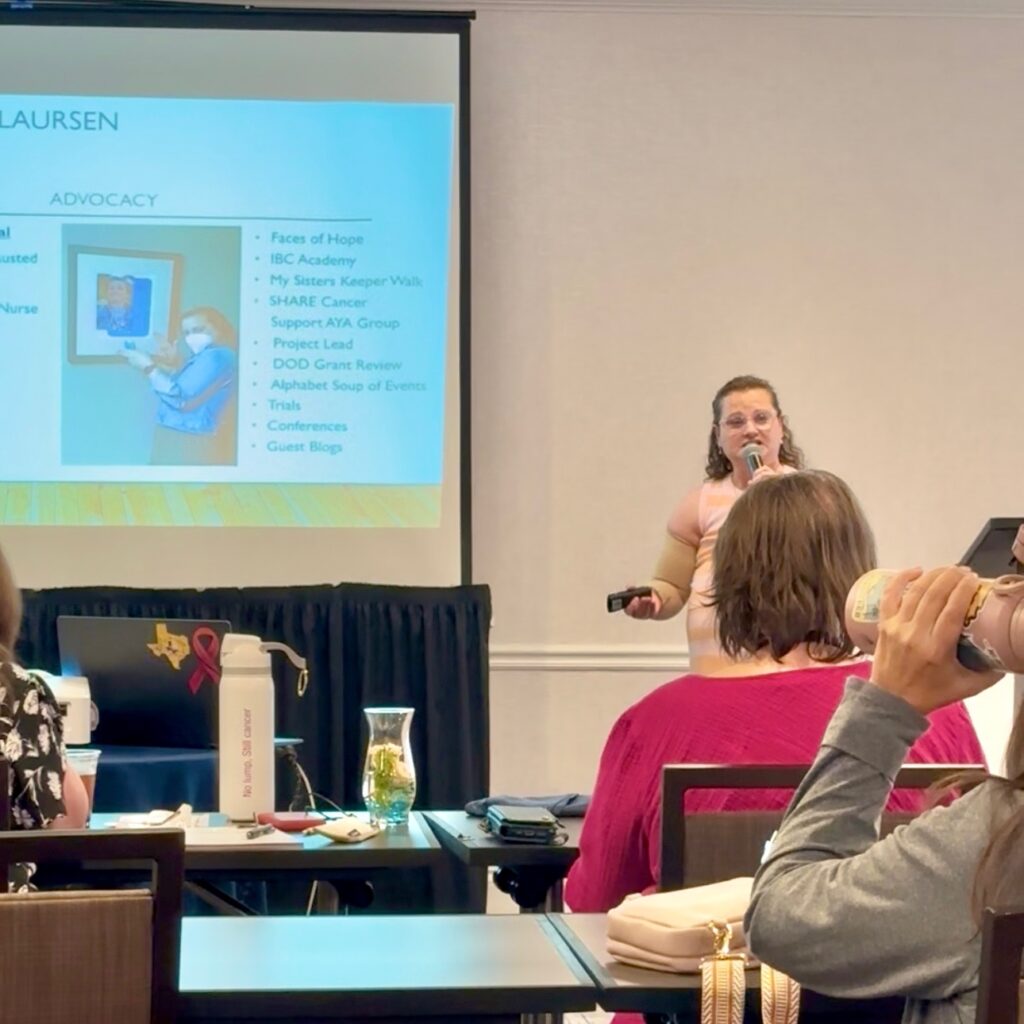
A day after my 32nd birthday, I (founder Julia Laursen) woke up with my first signs of cancer: a red, inflamed right breast that was bigger than when I went to sleep. This led to a completely unexpected stage 3 inflammatory breast cancer diagnosis, right in the middle of a global pandemic.
Knowing I would need community, I went to my local social worker to ask where to find support. I had just learned the term “AYA” (Adolescent and Young Adult cancer patients) and thought surely my hometown, with its three different health systems and being in the top fifty size wise in the United States, must have some AYA resources. But my social worker didn’t even know the term. She told me, “You’re not a young adult.”
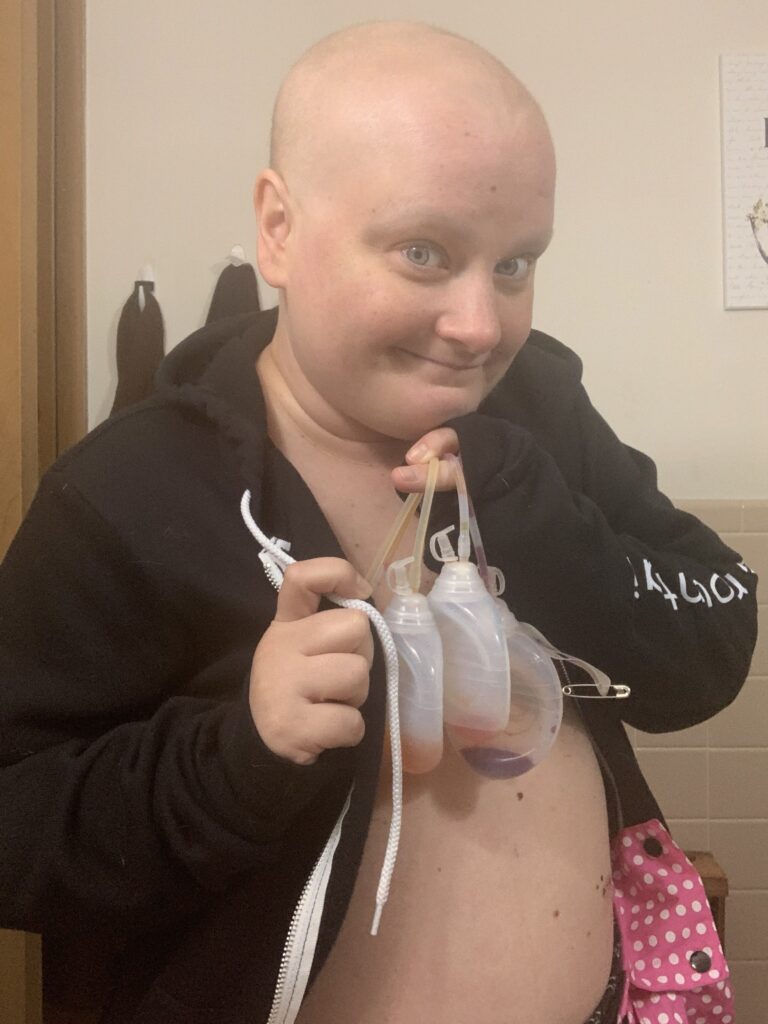
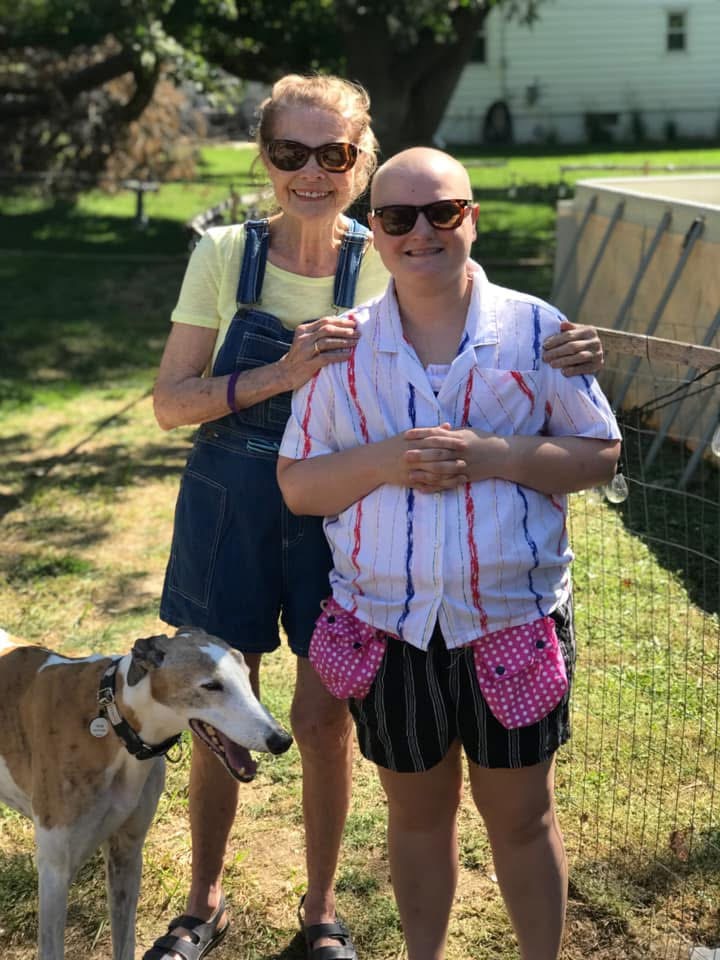
That misinformation sent me down a Google rabbit hole. Eventually, I found MD Anderson’s AYA program and started attending their bi-monthly support group. That’s when I discovered all the amazing AYA resources that exist, including cancer camps. I made it my mission to attend these camps and learn everything I could.
At the many cancer camps I attended as a young adult, one thing happened every single time: conversations turned into resource sharing. Someone would mention a program that helped them pay rent. Someone else knew about a retreat, a grant, or a support group no one else had heard of. By the end of the week, we’d all be swapping spreadsheets, handwritten notes, and long email threads, making sure no one missed out.
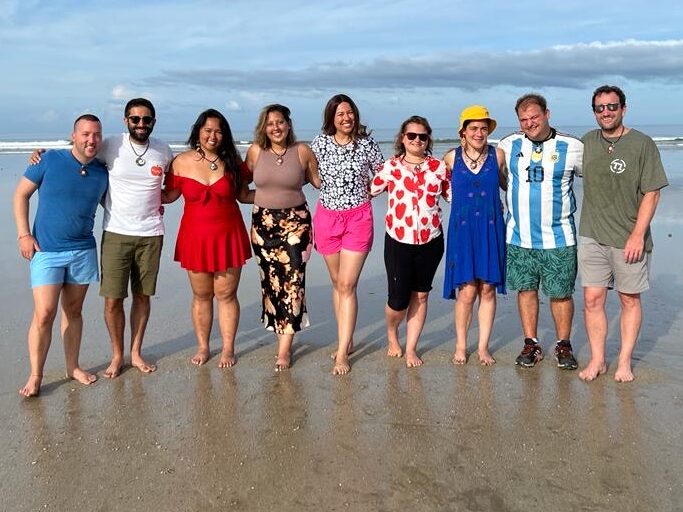
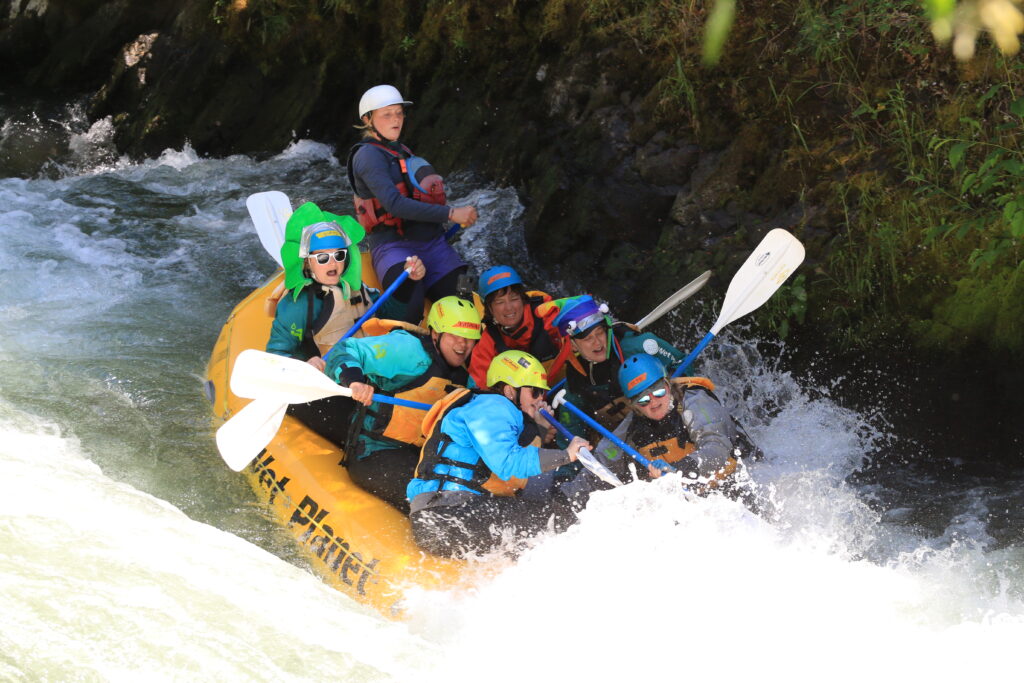
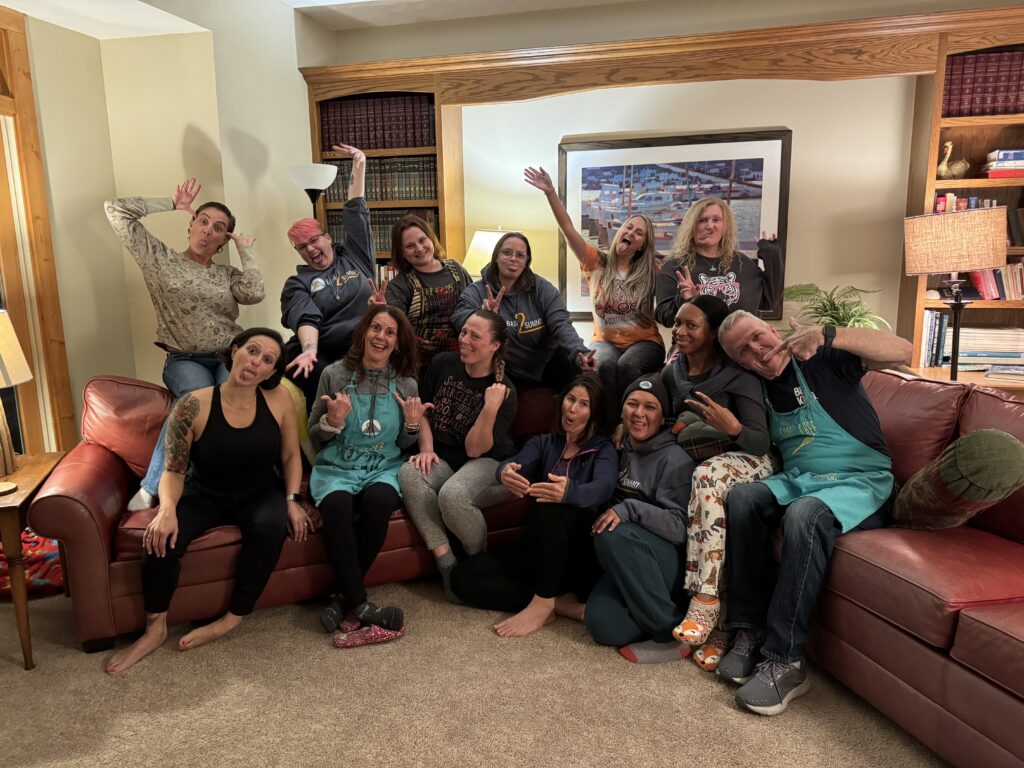
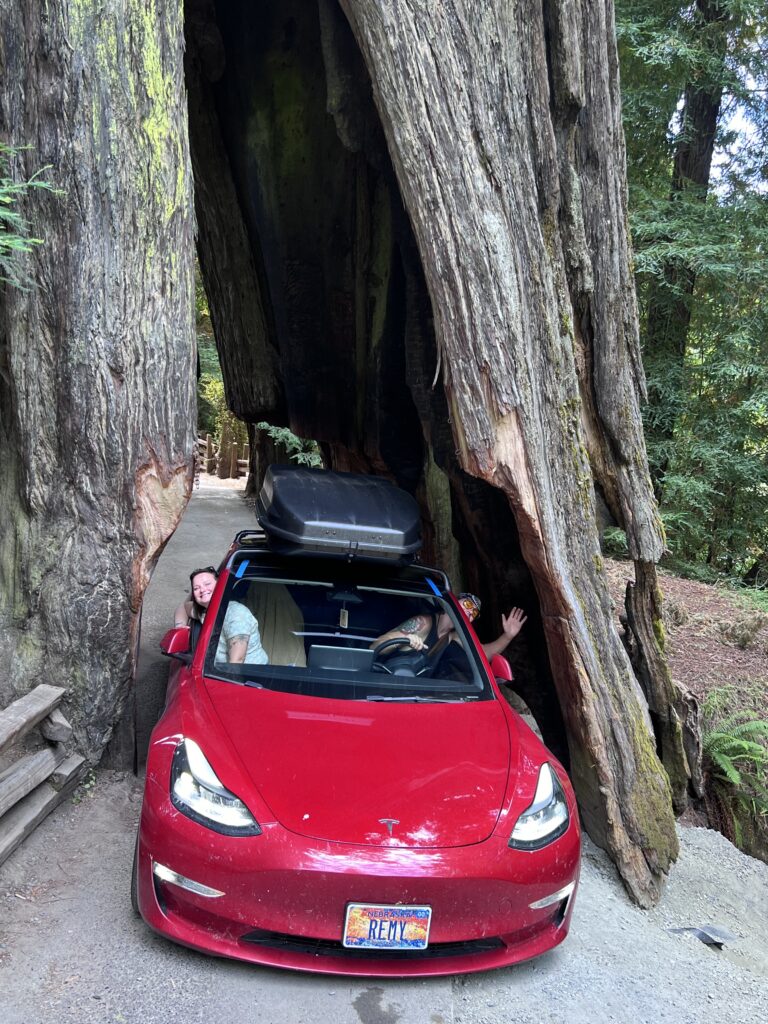
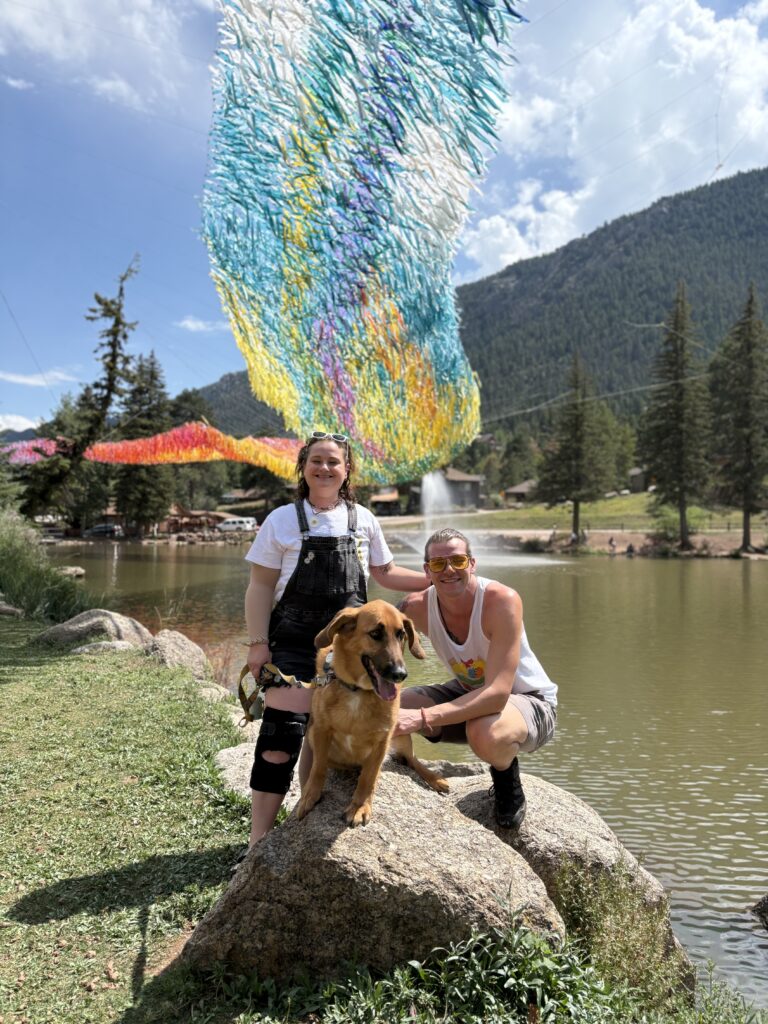
After a few camps where under my belt I was restless. I wanted to become more involved with patient advocacy. I wanted to make sure no one had this same experience I did. Somehow I convinced my husband, Mitch that we should give up our lease and hit the open road. Our goal was to attend as many camps, conferences, and events as we could, so I could become the most informed advocate possible and figure out what the AYA community truly needed.
Along the way, I was privileged enough to attend meetings with many key players in the AYA world. At every meeting, two things were consistently shared: first, that many programs already exist for AYA cancer patients—patients just don’t know about them. Second, that there was a real desire for a comprehensive list of AYA resources.
I tried to get other people to make this list. I didn’t want to design a directory or build it myself. I had no experience with code or website building. But I kept running into obstacles and every group had a reason why they couldn’t do it. That’s when I realized this was exactly what I was called to do: curate, manage, and maintain a resource list that our community so desperately needed.
I understood how overwhelming it can be, especially early in treatment, to hunt for help when your energy, time, and clarity are already stretched thin. What we needed was one centralized, searchable space where young adults facing cancer could find trusted resources without relying on word-of-mouth or scattered information.
I built this directory to meet that need—to turn shared conversations into shared access, and to make sure no young adult has to navigate cancer support alone or in the dark.
RIP ABLE